IR LED in

IR LED in

Smart IR Remote Control

Introduction to Infrared Emission
Market Share & Technical Classification
How IR LEDs Works in Smart Remote Controls

Infrared Emission

Introduction

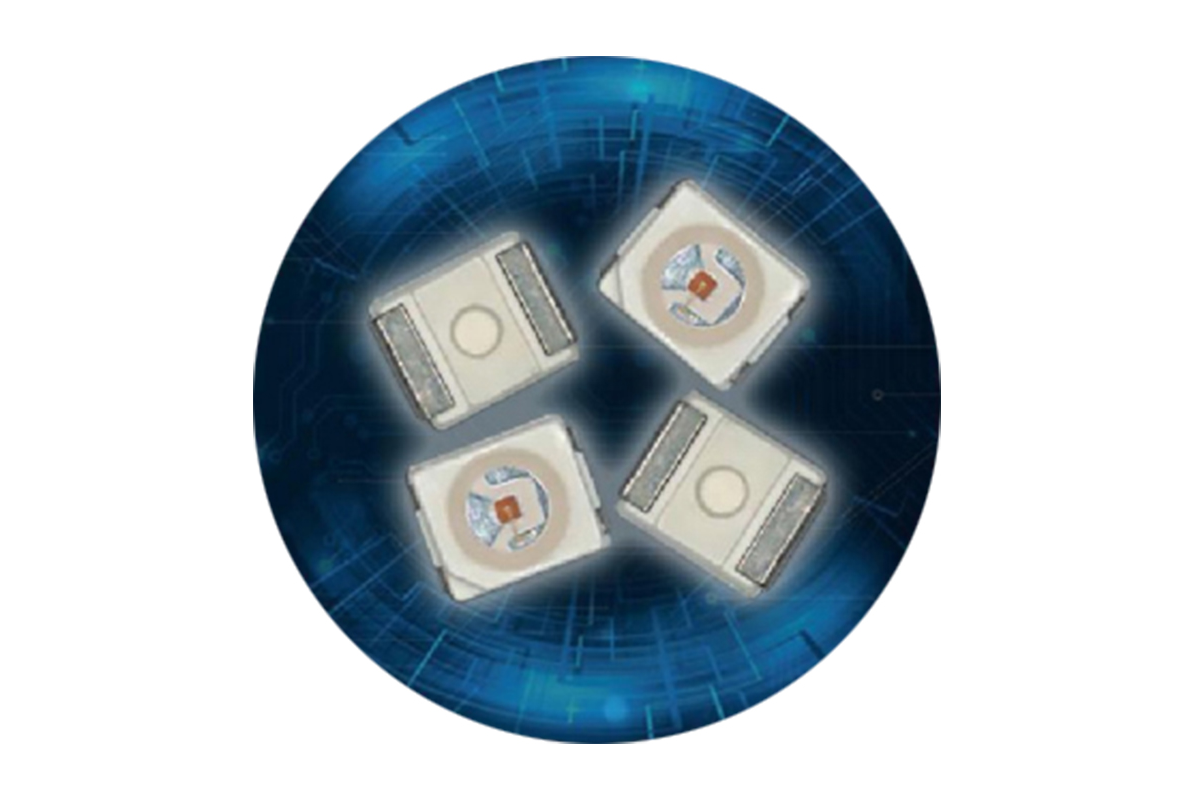
Infrared Light-Emitting Diodes (IR LEDs) convert electrical energy directly into infrared light (invisible to humans) and emit it as radiation. They are widely used in optical control and remote control circuits. Structurally similar to standard LEDs but made of materials like gallium arsenide (GaAs) or gallium aluminum arsenide (GaAlAs), they come in transparent, light-blue, or black resin packaging. Common series include SIR, SIM, PLT, GL, HIR, and HG.
Infrared Emission

Market Share

Package type distribution in 2018

Package type distribution in 2018

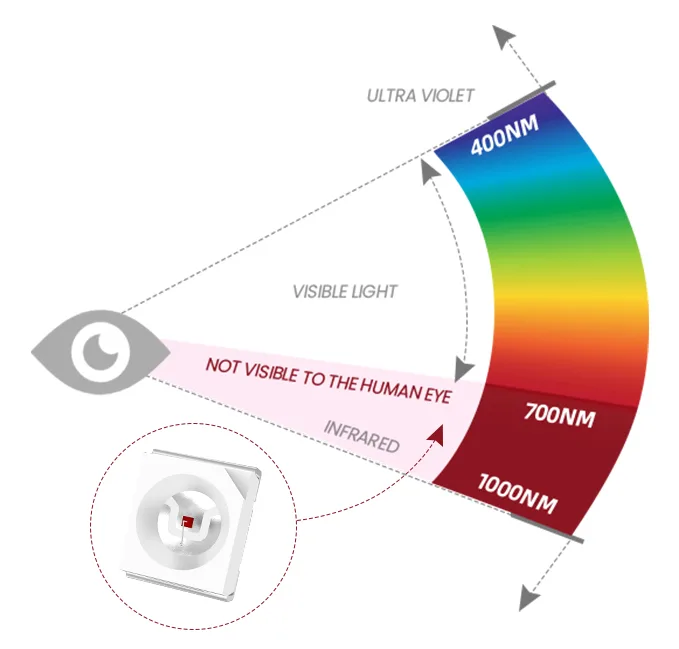
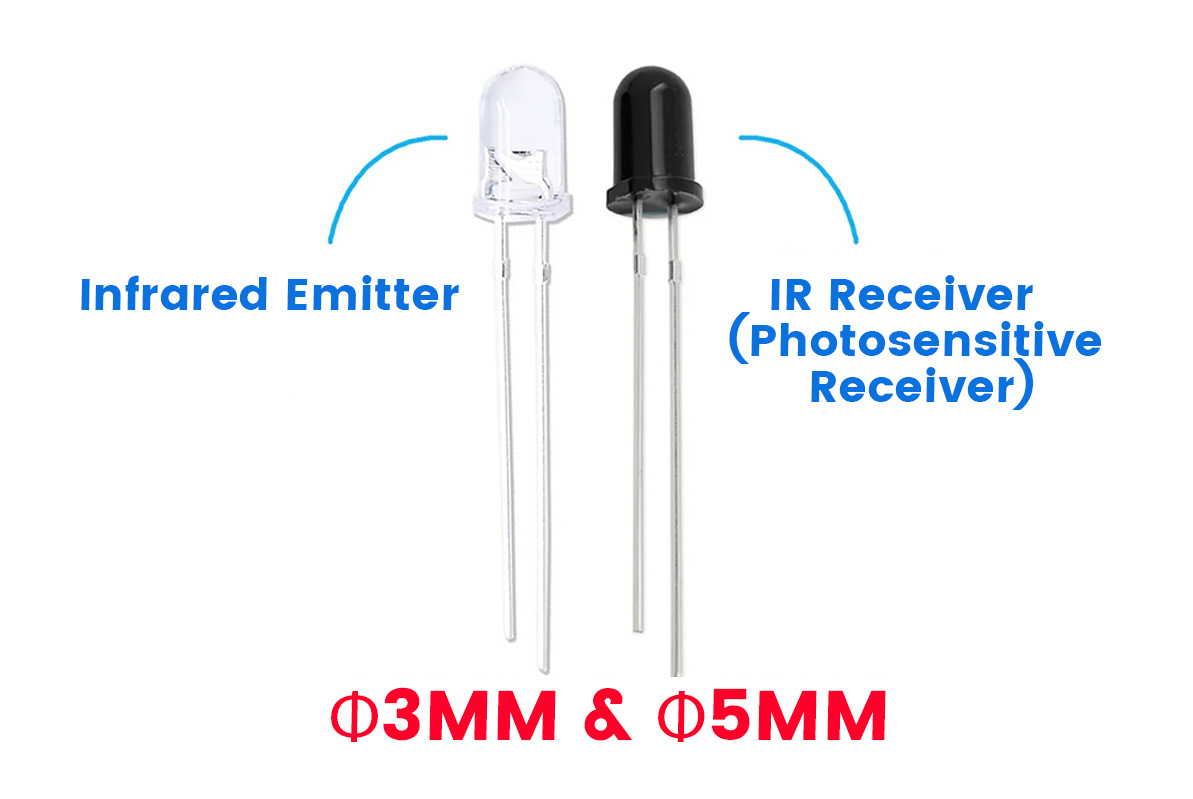
SMD Type: 47.62%、Emitter and Detector: 29.67%.
Application areas

Application areas

Home appliance remote control, medical equipment, security monitoring, etc.
Market Share

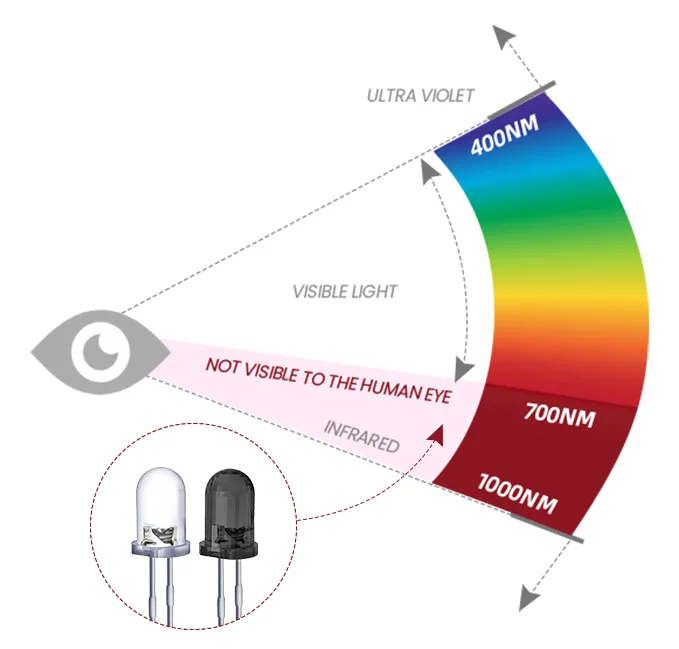
Infrared Wavelength

Infrared Wavelength
What does an IR LED do?

What does an IR LED do?

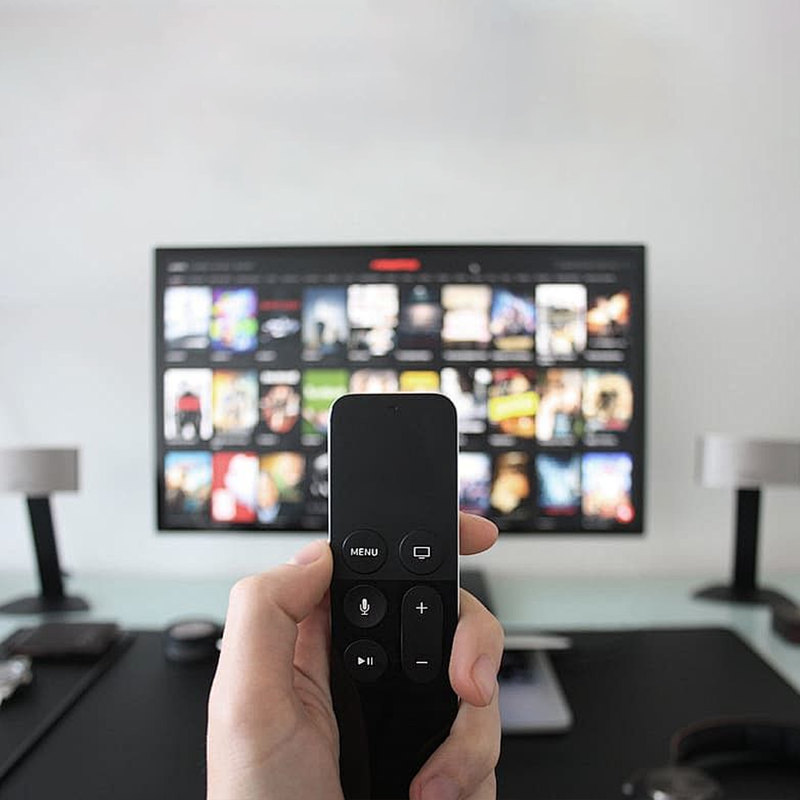
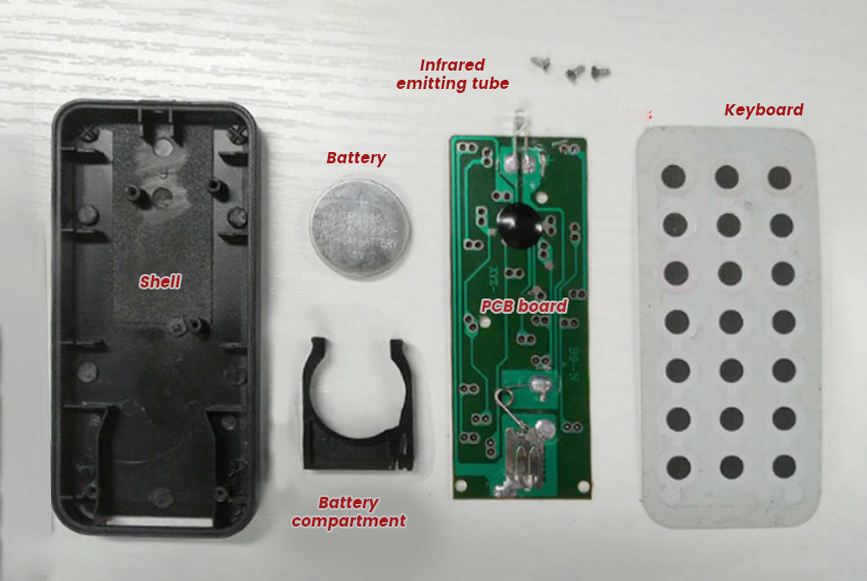
IR LED (Infrared Light-Emitting Diode) is the core signal emission component in remote controls. What does an IR LED do? Its primary function is to convert the control commands from the remote into infrared light signals, which are then transmitted to controlled home appliances (e.g., TVs, air conditioners).

Wavelength & Applications

Wavelength & Applications

WavelengthApplications
940nmHousehold Appliance Remotes
808nmMedical Devices, Optical Communication, Laser Pumping
830nmHighway Night Vision Systems
840nmColor Zoom IR Waterproof Cameras
850nmSurveillance Cameras, Intercoms, Security Alarms
870nmMall/Crossroad Cameras

How IR LEDs Works

in Smart Remote Controls

  • Electrical-to-Infrared Conversion
    The remote’s chip encodes button commands (e.g., “power on”) into binary electrical signals. The IR LED converts them into infrared light (850–940nm) for emission.
    Carrying Modulated Commands
    Signals are modulated with a 38kHz carrier to resist interference. The IR LED blinks rapidly (on/off = 1/0) to transmit encoded commands, which are demodulated by the receiver.
  • Directional Emission & Coverage
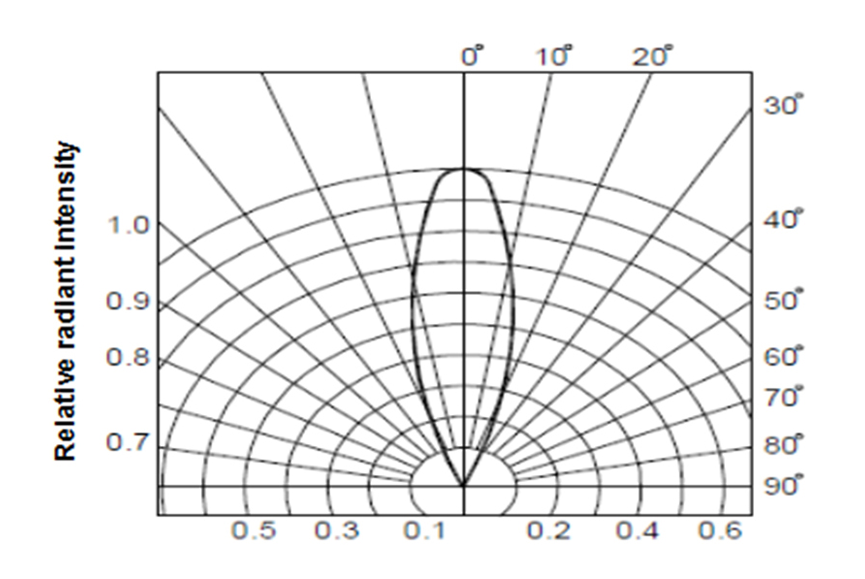
    With an emission angle of 30°–60° (30°–50° for standard round heads), IR LEDs focus signals on target devices. Line-of-sight transmission requires aiming the remote, as obstacles (e.g., walls) block signals.

Tips for Choosing Smart IR LEDs for Remote Control

Key Selection Criteria for IR LEDs

Energy Efficiency & Eco-Friendliness

Energy Efficiency & Eco-Friendliness

Smart remotes use low-power IR LEDs to minimize energy consumption, aligning with eco-friendly goals.
Low Power Consumption & Long Lifespan

Low Power Consumption & Long Lifespan

As semiconductors, IR LEDs offer low power usage, nanosecond response, and >100,000-hour lifespan, ideal for high-frequency remote applications.

Choosing Reputable Brands

HQG Brand

HQG Brand

• HQG LED Founded in 2005 with 20 years in LED packaging; certified as a “National High-Tech Enterprise.”
• Holds 20+ invention patents and 150+ utility model patents.
• Compliant with IATF16949, ISO9001, and ISO14001 standards.
• Full-process automation (die bonding → spectral sorting) ensures cost efficiency.

FAQ

  • Could you please send me the free sample, so that I could see and check its quality?

    A: Yes. We can send you free samples first, if the value is low. But our clients should pay for the shipping freight themselves. Samples fee needs to be charged if the value is high.

  • How do you ship the goods and how long does it take to arrive?

    A: We usually ship by DHL, UPS, FedEx or TNT. It usually takes 3-5 days to arrive. Airline and sea shipping also can be an option.

Download Latest E-Catalog

Download Latest E-Catalog

We value your privacy

We use cookies to enhance your browsing experience, serve personalised ads or content, and analyse our traffic. By clicking "Accept All", you consent to our use of cookies.