How to Balance LED Beads’ Lifespan and Cost? Bulk Purchase LEDs Strategies
September 29, 2025
|
Posted by ym
In the current global LED packaging market, China accounts for over 35%, yet the technological core remains concentrated in chip and packaging processes—which directly determine the lifespan and cost of LED beads.
Differences in Application Scenarios for Different Powers
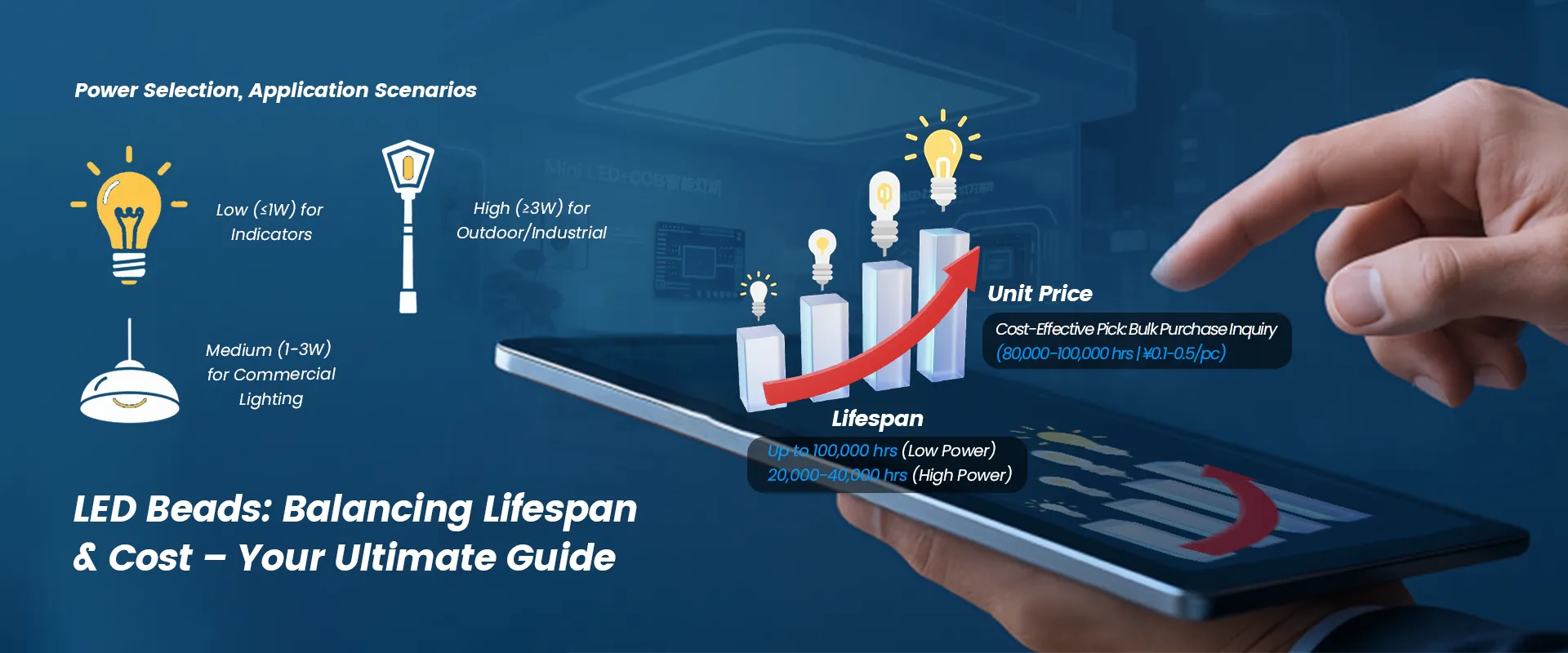
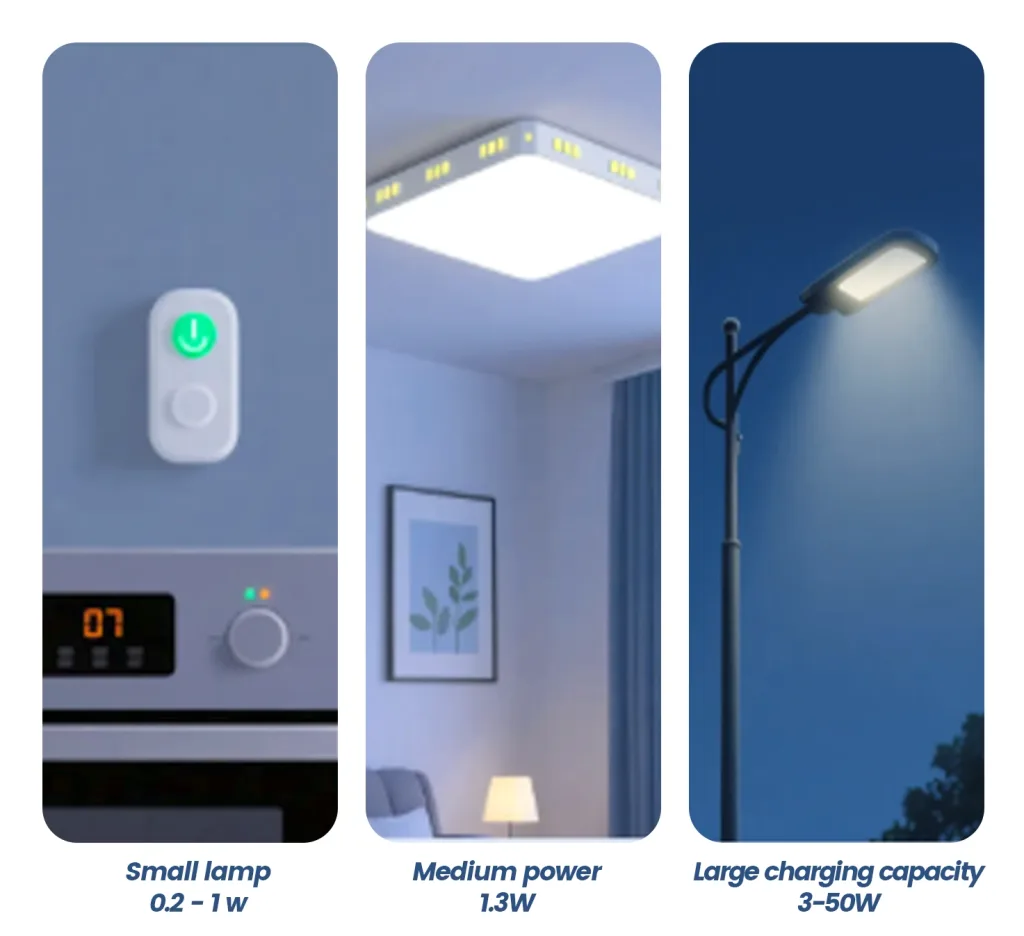
LED beads are categorized by power into low power (≤1W), medium power (1-3W), and high power (≥3W), with distinct application scenarios (Table 1).
Power Type
Typical Power
Main Application Scenarios
Low power
0.2-1W
Indicators, decorative lights, small appliances
Medium power
1-3W
Ceiling lights, downlights, commercial lighting
High power
3-50W
Street lights, searchlights, industrial lighting
Table 1: Application Scenarios of LED Beads by Power
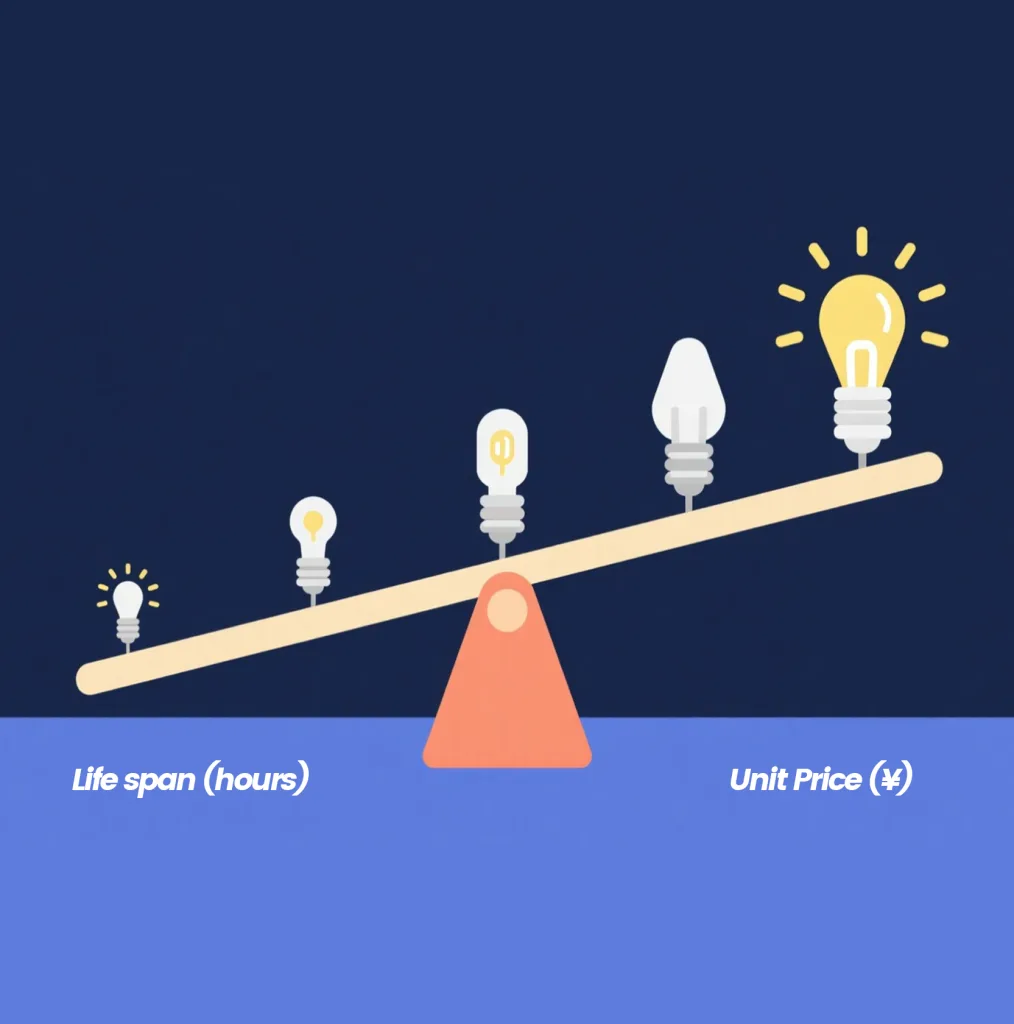
Core Comparison: The “Seesaw” Between Lifespan and Unit Price
LED lifespan is measured by the L70 standard (time for luminous flux to decrease to 70% of initial value). According to industry test data, theoretical lifespan and actual attenuation vary significantly across power types (Table 2).
Power Type
Typical Power
Theoretical Lifespan (L70/hours)
Lifespan Reduction at 80℃
Unit Price Range (CNY/pc)
Low power
0.2-1W
80,000-100,000
~20% reduction (64,000-80,000)
0.1-0.5
Medium power
1-3W
40,000-60,000
~30% reduction (28,000-42,000)
0.6-1.2
High power
3-50W
20,000-40,000
~25% reduction (15,000-30,000)
1.2-3.0 (bulk purchase leds)
Table 2: Lifespan Comparison of LED Beads by Power (L70 Standard)
Industry Trends and Purchasing Recommendations
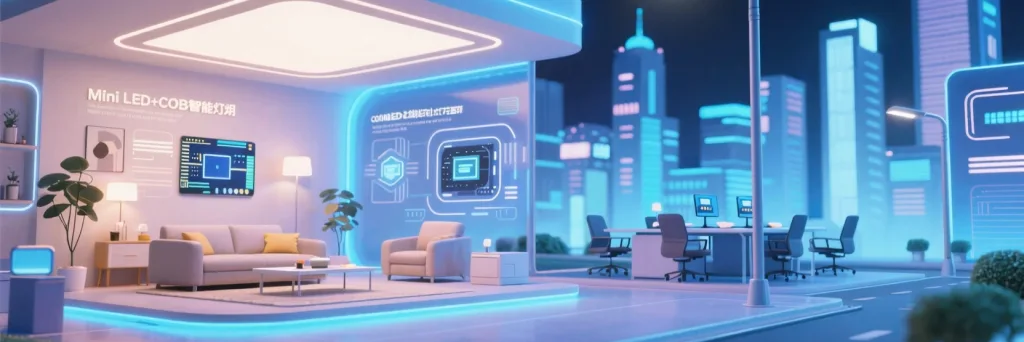
The LED industry will trend toward “high efficiency, long lifespan, and low cost”: Mini LED technology extends low-power bead lifespan to 100,000 hours, while COB integrated packaging reduces high-power bead packaging costs by 30%.
Moreover, the journey to this breakthrough—marked by perseverance, collaboration, and cross-disciplinary innovation—epitomizes the spirit of scientific exploration. Akasaki, Amano, and Nakamura overcame decades of setbacks, proving that even “impossible” challenges can yield to human ingenuity.
Recommendations for Users:
For home use: Prioritize low/medium power from brands with L70 lifespan ≥50,000 hours;
For engineering projects: Focus on heat dissipation design and request LM-80+TM-21 reports from suppliers;
Long-term: Mini LED and COB products offer higher cost-effectiveness.
Balancing “cost-performance” for LED beads is essentially an art of “demand matching.” Low power suits low-cost scenarios, while high power meets high-brightness needs but requires heat dissipation to extend lifespan. With technological advancements, future LED beads will become “smarter”—delivering lower costs and meeting complex lighting demands.
Balancing Strategies: Demand Matching and Technological Optimization
Select Power Based on Scenario to Avoid “Performance Waste”
Home decoration: Choose low power (0.2-0.5W) for low cost and sufficient lifespan (80,000+ hours);
Commercial lighting: Choose medium power (1-2W) to balance brightness and lifespan (50,000+ hours);
Outdoor street lights: Choose high power (5-10W) with heat dissipation solutions to extend lifespan to 30,000+ hours.
HQG LED’s “dual-substrate + sintered tube” heat dissipation solution reduces high-temperature lifespan attenuation of high-power beads from 50% to 25% (tested data). Its 3W bead achieves 30,000 hours at 80℃ (50% longer than competitors) with a unit price of only 1.8 CNY/pc (bulk purchase leds), offering exceptional value.
We use cookies to enhance your browsing experience, serve personalised ads or content, and analyse our traffic. By clicking "Accept All", you consent to our use of cookies.
Customise Consent Preferences
We use cookies to help you navigate efficiently and perform certain functions. You will find detailed information about all cookies under each consent category below.
The cookies that are categorised as "Necessary" are stored on your browser as they are essential for enabling the basic functionalities of the site. Show more
>Necessary
Necessary cookies are required to enable the basic features of this site, such as providing secure log-in or adjusting your consent preferences. These cookies do not store any personally identifiable data.
>Functional
Functional cookies help perform certain functionalities like sharing the content of the website on social media platforms, collecting feedback, and other third-party features.
>Analytics
Analytical cookies are used to understand how visitors interact with the website. These cookies help provide information on metrics such as the number of visitors, bounce rate, traffic source, etc.
>Performance
Performance cookies are used to understand and analyse the key performance indexes of the website which helps in delivering a better user experience for the visitors.
>Advertisement
Advertisement cookies are used to provide visitors with customised advertisements based on the pages you visited previously and to analyse the effectiveness of the ad campaigns.